Each year more and more Americans are choosing to unplug and
live “off the grid.” No longer dependent on already overburdened utility
systems and free from massive utility bills, “off griders,” as they are
commonly called, have one thing in mind, sustainability. They want to make it
on their own without reliance on the things that so many of us take for
granted. It is sort of like a getting back to simple living movement where
people learn to support themselves and embrace a life that can ultimately lead
to financial freedom. Many that make the choice to depart from the traditional
dependence, move to remote areas where off grid living is easier to achieve and
generally more accepted.
The choice to unplug is not an easy one and requires great thought.
While alternative sources of energy such as wind and sun are free to anyone who
can harness them, it can initially cost some to set up these types of systems.
Because of this, there are people who choose to live with no utilities at all,
the way the early American pioneers lived.
Harnessing the Sun
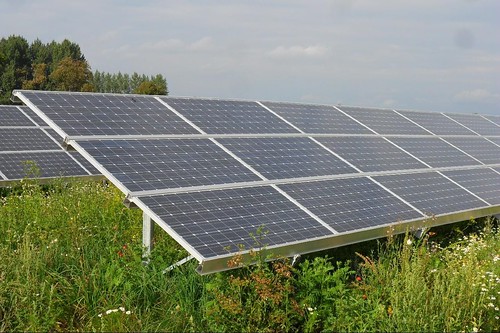
The sun is the most dependable source of renewable energy.
Every day, without fail, the sun climbs high in the sky and blasts its radiant
beams on earth. For off griders, this can be the easiest way to create
electricity without a recurring electrical bill. Solar systems work best,
obviously, in areas where the sun shines a great deal. Arizona, Texas, New
Mexico and part of California can be perfect for solar systems. Solar power
does not have to be through the roof expensive, depending on what your needs
are. Simple, portable solar generators work well for small abodes that do not
need a whole lot of power. Whole house systems can get a little pricey, but can
also be made from scratch if you are somewhat handy. Anything that runs on
normal electricity can run on solar electricity including televisions,
computers, lights and refrigerators.
Catch the Wind
People who install solar systems will often use a wind
turbine for days when the sun does not shine. Wind power is in no way a new
concept, the ancient Chinese and Babylonians used wind power to irrigate crops
over 4000 years ago. Sailboats are another example of the power of the wind.
Some larger cities are now catching on to wind power and installing wind
turbines to generate electricity. Wind
is an excellent way to provide electricity to remote areas.
Other Concerns
Once the electricity issue has been addressed, people living
off of the grid have a few more things to consider. Water is one of them. While
a well can be dug in many places, in some, it is not feasible or fruitful. Off
griders in desert areas often create water catchment systems to gather and
store rainwater. These systems are not difficult to create but require a
dwelling or other structure with a good water-catching roofline. Heat is often
made with a wood or propane stove or fireplace and composting toilets are used.
While making the transition from on the grid to off the grid
does require some planning, the result, a much smaller footprint and
sustainability is well worth the effort.
About the Author:
Susan Patterson is a homeschool mother and freelance writer with a concern for
the environment. She recently wrote an article discussing Chain of Title search.

No comments:
Post a Comment